Modern cities are often associated with innovation, opportunity, and cultural diversity. Yet, they are also environments characterized by noise, congestion, pollution, and constant stimulation. As urban populations continue to grow, many people find themselves increasingly disconnected from nature, spending most of their days surrounded by concrete, glass, and asphalt.
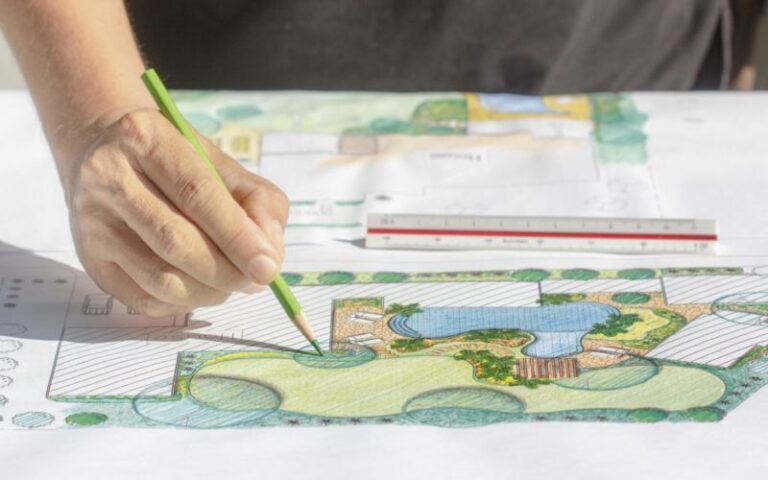
In response to these challenges, urban planners, landscape architects, and environmental psychologists have begun emphasizing the importance of green spaces within cities. Parks, urban forests, community gardens, green roofs, and tree-lined streets are no longer viewed merely as aesthetic additions. They are now recognized as essential components of healthy urban environments.
But why do green spaces have such a profound effect on people? The answer lies in psychology. Research consistently shows that access to nature can improve mental health, reduce stress, enhance cognitive performance, and strengthen social relationships. Understanding the psychology of green spaces helps us appreciate why creating greener cities is not simply an environmental goal—it is a human necessity.
The Human Need for Nature
Humans evolved in natural environments long before cities existed. For thousands of years, our ancestors lived in close contact with forests, rivers, grasslands, and other natural landscapes. As a result, our brains developed in ways that respond positively to natural settings.
This concept is often explained through the Biophilia Hypothesis, introduced by biologist Edward O. Wilson. Biophilia suggests that humans possess an innate tendency to seek connections with nature and other forms of life. According to this theory, our attraction to natural environments is not merely cultural—it is deeply rooted in our biology.
When people spend time in green spaces, they often report feeling calmer, happier, and more energized. These emotional responses may reflect an ancient psychological connection between humans and nature that continues to influence our well-being today.
Green Spaces and Stress Reduction
One of the most well-documented psychological benefits of urban green spaces is their ability to reduce stress.
City life exposes individuals to numerous stressors, including traffic noise, overcrowding, long commutes, and information overload. Chronic exposure to these conditions can elevate cortisol levels, increase anxiety, and contribute to mental fatigue.
Natural environments provide a psychological refuge from these pressures. Even brief interactions with greenery can lower stress levels and promote relaxation. Walking through a park, sitting beneath a tree, or simply viewing natural scenery has been shown to decrease physiological indicators of stress, such as heart rate and blood pressure.
Researchers often refer to this phenomenon as Stress Recovery Theory, which suggests that humans recover more quickly from stressful experiences when exposed to natural environments. Unlike urban settings that demand constant attention, nature offers a calming experience that allows the mind and body to recover.
Improving Attention and Cognitive Function
Green spaces do more than help people relax—they also improve how we think.
In modern cities, our attention is constantly challenged by advertisements, notifications, traffic signals, and countless visual stimuli. This continuous demand can lead to mental fatigue and reduced concentration.
Environmental psychologists Rachel and Stephen Kaplan developed Attention Restoration Theory, which proposes that natural environments help restore depleted cognitive resources. Nature captures our attention gently and effortlessly, allowing the brain to recover from the demands of focused mental work.
Studies have found that exposure to green spaces can improve memory, creativity, problem-solving abilities, and overall cognitive performance. Children who have access to natural environments often demonstrate better attention spans, while adults report increased productivity and focus after spending time outdoors.
For students, professionals, and anyone facing mentally demanding tasks, urban green spaces can serve as valuable tools for cognitive restoration.
Supporting Mental Health and Emotional Well-Being
Mental health has become one of the most pressing public health concerns of the twenty-first century. Anxiety, depression, burnout, and loneliness affect millions of people worldwide, particularly in densely populated urban areas.
Green spaces can play an important role in addressing these challenges.
Research suggests that people living near parks and natural environments often experience lower rates of depression and anxiety. Exposure to nature encourages physical activity, reduces rumination, and promotes positive emotional experiences.
Natural settings also provide opportunities for mindfulness. Listening to birds, observing trees swaying in the wind, or watching sunlight filter through leaves can help individuals become more present and less overwhelmed by daily worries.
In many cases, access to nature acts as a protective factor that supports resilience and emotional well-being, especially during periods of stress and uncertainty.
Building Stronger Communities
The psychological benefits of green spaces extend beyond individuals and influence entire communities.
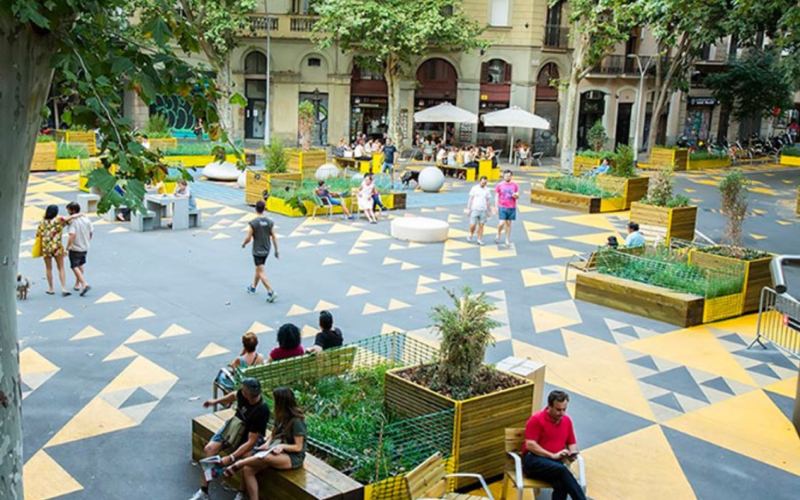
Public parks and community gardens create opportunities for social interaction. They serve as gathering places where neighbors can meet, children can play, and people from diverse backgrounds can connect.
These interactions contribute to a stronger sense of belonging and social cohesion. Communities with accessible green spaces often report higher levels of trust, civic engagement, and overall satisfaction.
In an era where loneliness and social isolation are increasing concerns, green spaces provide valuable environments that encourage meaningful human connections.
By bringing people together, urban greenery strengthens not only mental health but also the social fabric of cities.
The Role of Trees in Urban Well-Being
Trees are among the most powerful psychological assets in urban environments.
Beyond their environmental benefits, such as improving air quality and reducing urban heat, trees contribute significantly to human well-being. Streets lined with trees are often perceived as safer, more attractive, and more welcoming.
Research has shown that neighborhoods with greater tree coverage are associated with lower stress levels, better mental health outcomes, and increased life satisfaction.
Simply seeing trees from a window can have measurable psychological benefits. Hospitals with views of nature, for example, have reported faster patient recovery rates and improved patient experiences.
These findings highlight how even small elements of urban greenery can have a meaningful impact on daily life.
Designing Cities for Human Flourishing
As urban populations continue to expand, the importance of integrating nature into city design becomes increasingly clear.
Green infrastructure should not be considered a luxury or an optional amenity. Instead, it should be viewed as essential urban infrastructure that supports public health, environmental sustainability, and social well-being.
Landscape architects, planners, and policymakers have the opportunity to create cities that prioritize human flourishing by incorporating:
- Urban parks and green corridors
- Tree-lined streets
- Community gardens
- Green roofs and living walls
- Biodiversity-friendly landscapes
- Accessible natural spaces for all residents
These interventions not only improve environmental performance but also enhance the everyday experiences of urban residents.
Conclusion
The psychology of green spaces reveals a simple yet powerful truth: humans thrive when they are connected to nature. Urban green spaces reduce stress, restore attention, support mental health, strengthen communities, and improve overall quality of life. They offer a natural solution to many of the challenges associated with modern urban living.
As cities continue to evolve, investing in green spaces is not merely an environmental strategy—it is an investment in human well-being. By designing cities that embrace nature, we can create healthier, happier, and more resilient communities for future generations. The future of sustainable cities is not just greener—it is more human.