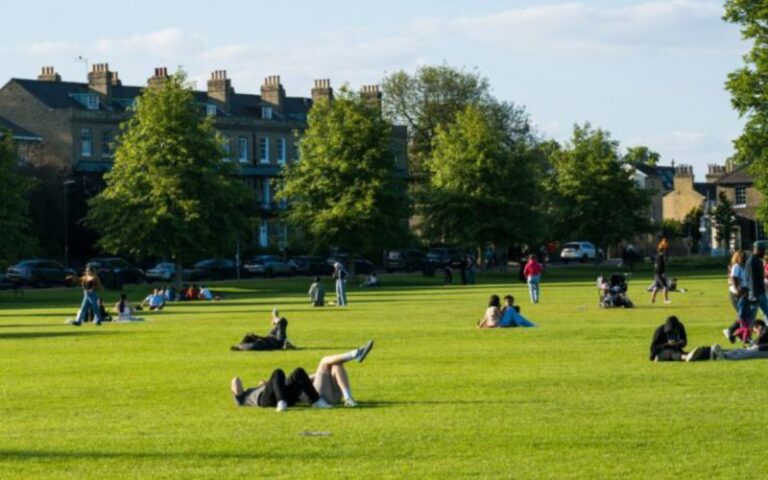
Imagine an unused piece of land in your neighborhood transformed into a lively green space where people grow vegetables, children learn about nature, neighbors meet, and fresh food is produced locally. This is the idea behind a community garden.
Community gardens can turn vacant lots, neglected urban spaces, schoolyards, rooftops, and other underused areas into productive and welcoming places. Beyond growing food, they can strengthen social connections, improve access to green space, support urban biodiversity, and contribute to healthier and more sustainable neighborhoods.
But starting a community garden requires more than finding a piece of land and planting vegetables. Successful gardens need community participation, careful planning, appropriate management, access to water, funding, and a long-term vision. So, how do you start a community garden?
This guide walks you through the process step by step—from building community support and finding a suitable site to designing the garden, organizing volunteers, selecting plants, and keeping the project sustainable over time.
1. Start With the Community, Not the Garden
The first step in creating a community garden is not buying seeds or designing garden beds. It is finding out whether people in the neighborhood actually want one.
A community garden works best when local residents have a meaningful role in shaping the project from the beginning. Start by talking with neighbors, community organizations, schools, local businesses, and neighborhood associations. Ask simple questions:
- Would you use a community garden?
- What would you like to grow?
- Would you prefer individual garden plots or shared planting areas?
- Would children or older adults participate?
- Would you be willing to volunteer?
- What activities would you like the garden to offer?
- What barriers might prevent you from participating?
These conversations can reveal local needs that may otherwise be overlooked. For example, residents may be more interested in a shared food garden than individual plots. Families may want a children’s learning area, while older residents may prefer accessible raised beds. Some communities may prioritize herbs and vegetables, while others may want flowers, pollinator habitats, or spaces for community events.
The goal is to design a garden around the community—not simply bring a predetermined garden design to the community.
2. Build a Core Gardening Team
Once you know there is interest, create a small team of committed residents who can help move the project forward.
You do not need a large organization at the beginning. Even five to ten motivated people can form a strong starting group. Different responsibilities can be divided among team members, such as:
- Project coordination
- Communication and community outreach
- Garden design
- Funding and budgeting
- Volunteer coordination
- Planting and maintenance
- Events and educational programs
- Communication with landowners and local authorities
Having clearly defined responsibilities prevents one or two people from becoming responsible for everything. It is also useful to establish basic rules early. Decide how meetings will be organized, how decisions will be made, how conflicts will be addressed, and how garden tasks will be shared. A community garden is ultimately a social project as much as an environmental one. Strong relationships among participants are therefore just as important as healthy soil.
3. Find the Right Location
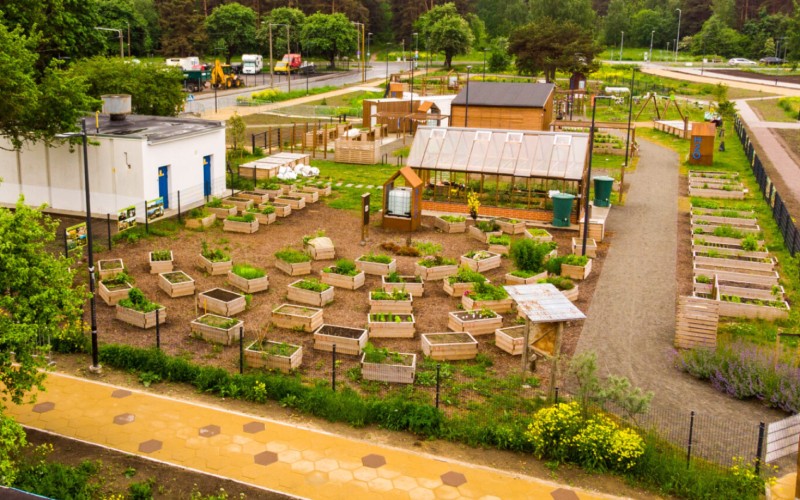
Finding suitable land is one of the most important steps. Potential locations include:
- Vacant lots
- School grounds
- Public parks
- Community centers
- Housing developments
- Church or religious organization properties
- Rooftops
- Residential courtyards
- Land owned by nonprofit organizations
- Underused municipal land
The ideal location should be easy for community members to reach. A garden that is physically beautiful but difficult to access is unlikely to become a successful neighborhood resource. When evaluating potential sites, consider the following factors.
Sunlight
Most vegetables need several hours of direct sunlight each day. Observe the site at different times and consider shadows from buildings, trees, fences, and other structures.
Water Access
Reliable water is essential. Before selecting a site, determine where irrigation water will come from and how much it will cost. Rainwater harvesting can supplement irrigation where local regulations and climate conditions allow.
Soil Quality
Urban soil can contain contaminants, particularly on former industrial sites or areas with a history of heavy traffic or construction. Consider having the soil tested before growing edible crops directly in the ground. If contamination is a concern, raised beds with imported clean soil may provide a safer alternative.
Accessibility
Think about people with different physical abilities. Paths should ideally be wide, stable, and easy to navigate. Raised beds can also make gardening more accessible to older adults and people with mobility limitations.
Ownership
Never assume that an unused piece of land is available for gardening. Find out who owns the property and whether the land can legally be used for community gardening. A written agreement or lease can provide greater security and clarify responsibilities.
4. Understand Local Regulations
Before developing the site, investigate local regulations. Depending on your location, you may need permission related to:
- Land use
- Water access
- Fencing
- Structures and sheds
- Composting
- Rainwater collection
- Food production
- Accessibility
- Public safety
Some municipalities have specific programs supporting community gardens, while others may have restrictions that need to be addressed before work begins. Contact the relevant local authority and ask what permits, agreements, or approvals are required. This step may feel bureaucratic, but dealing with regulations early can prevent major problems later.
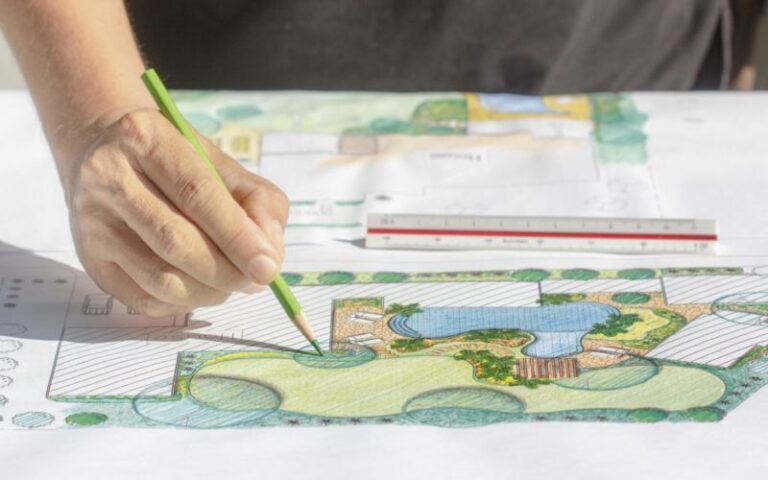
5. Create a Simple Garden Plan
You do not need a complicated landscape architecture plan to begin. Start with a simple site map showing:
- Garden beds
- Paths
- Water points
- Composting areas
- Tool storage
- Seating
- Gathering spaces
- Fencing
- Children’s areas, if appropriate
- Pollinator or biodiversity zones
Try to design the garden as a multi-functional community space, rather than simply arranging as many planting beds as possible. A successful garden might include a combination of productive, ecological, and social spaces.
For example:
- Food-growing areas: vegetables, fruits, herbs, and edible flowers.
- Ecological areas: native plants, pollinator gardens, bird-friendly vegetation, and small habitat features.
- Social areas: benches, tables, shaded gathering spaces, and community meeting areas.
- Educational areas: demonstration beds, signs, children’s gardening spaces, and composting demonstrations.
This approach can transform a community garden from a food-production site into a small piece of neighborhood green infrastructure.
6. Decide What to Grow
Plant selection should reflect the local climate, available sunlight, soil conditions, water availability, and community preferences. Begin with relatively easy-to-grow plants that are suitable for the region. Depending on the climate, possibilities may include:
- Tomatoes
- Lettuce
- Beans
- Peppers
- Radishes
- Carrots
- Cucumbers
- Herbs
- Leafy greens
- Berries
- Fruit trees
Native and climate-adapted plants can also play an important role. Consider adding flowering plants that support pollinators such as bees and butterflies. A mixture of edible and non-edible plants can make the garden more visually attractive while increasing ecological value. Avoid selecting plants solely because they look attractive in catalogs or online photographs. The best choices are those that can realistically thrive under the site’s environmental conditions.
7. Choose a Garden Model
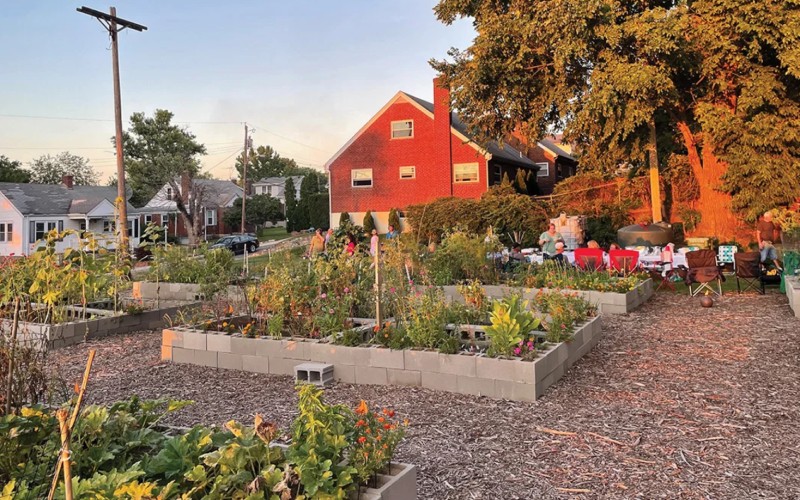
There are several ways to organize a community garden.
Individual Plots
Each participant receives a small plot to manage. This model gives gardeners considerable freedom but requires a system for allocating plots and dealing with unused or poorly maintained spaces.
Shared Garden
Everyone works together and the harvest is collectively managed. This can strengthen community interaction but requires good coordination.
Hybrid Model
A combination of individual plots and shared areas can provide flexibility. For example, residents could have individual vegetable beds while everyone contributes to a shared herb garden, orchard, children’s garden, or pollinator area.
Community Food Garden
The garden can also focus on producing food for local residents, community kitchens, food banks, or other community organizations. The appropriate model depends on local needs, available land, and the number of participants.
8. Develop a Budget
A community garden can start small, but it is important to understand the basic costs. Potential expenses include:
- Soil and compost
- Seeds and plants
- Gardening tools
- Irrigation equipment
- Raised beds
- Fencing
- Storage
- Signage
- Seating
- Accessibility improvements
- Insurance or permits
- Water bills
- Educational materials
Look for opportunities to reduce costs through donations and partnerships. Local nurseries may donate plants. Hardware stores may contribute materials. Restaurants or businesses may provide compostable resources. Schools may participate in educational activities.
You can also explore grants from municipalities, nonprofit organizations, environmental programs, foundations, or community development initiatives. Keep the first phase realistic. A smaller garden that the community can maintain is usually more sustainable than an ambitious project that becomes too expensive or difficult to manage.
9. Organize Tools and Shared Resources
Gardeners do not necessarily need to purchase their own equipment. A shared tool library can reduce costs and encourage cooperation. Basic shared tools may include:
- Shovels
- Hand trowels
- Rakes
- Hoes
- Pruning shears
- Watering cans
- Wheelbarrows
- Gloves
Create a simple system for storing and borrowing tools. A secure storage shed can be useful, but if resources are limited, a lockable storage cabinet or shared storage arrangement may be enough at the beginning.
10. Establish a Maintenance System
One of the biggest challenges facing community gardens is not starting them—it is keeping them active. Plants need regular care, weeds need management, irrigation systems need maintenance, and common spaces need cleaning. Create a simple maintenance schedule.
For example:
- Monday: irrigation check
- Wednesday: shared garden maintenance
- Saturday: community gardening session
You can also organize monthly volunteer days for larger tasks. Avoid relying entirely on a single volunteer. If one person becomes responsible for watering or maintenance, the garden becomes vulnerable when that person is unavailable. Shared responsibility is one of the foundations of a resilient community garden.
11. Make the Garden Inclusive
A community garden should be welcoming to people with different ages, abilities, backgrounds, and levels of gardening experience. Accessibility can be improved through:
- Wide pathways
- Raised beds
- Seating areas
- Clear signage
- Accessible water points
- Shaded spaces
- Comfortable gathering areas
Consider the needs of people who may not identify as experienced gardeners. Beginners should feel comfortable asking questions without feeling judged. The garden can also provide opportunities for different types of participation. Some people may enjoy planting, while others may prefer organizing events, photographing the garden, teaching children, managing social media, or helping with fundraising. Participation does not have to mean digging in the soil.
12. Add Educational and Social Activities
A community garden becomes more valuable when it supports activities beyond gardening. Possible programs include:
- Gardening workshops
- Composting classes
- Seed-sharing events
- Children’s nature activities
- Cooking demonstrations
- Pollinator education
- Seasonal planting events
- Harvest festivals
- Community meals
- Garden tours
These activities can attract residents who might not initially be interested in gardening. Children can learn where food comes from, how plants grow, and why biodiversity matters. Adults can exchange gardening knowledge, recipes, seeds, and cultural traditions. In this way, the garden can become a place where environmental knowledge and social knowledge are shared at the same time.
13. Use Sustainable Gardening Practices
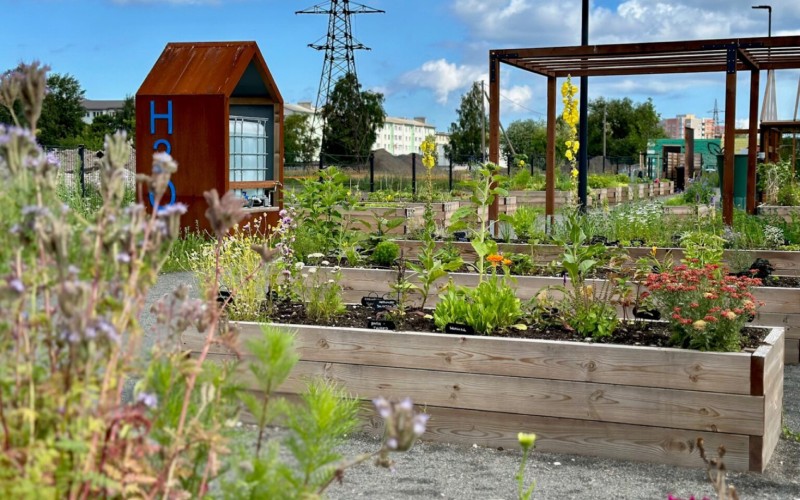
A community garden can serve as a demonstration of sustainable urban living. Consider incorporating practices such as:
Composting
Composting organic waste can produce valuable soil amendments while reducing the amount of organic material sent to landfills.
Rainwater Harvesting
Where permitted and appropriate, rainwater collection can supplement irrigation and reduce demand for treated water.
Mulching
Organic mulch can help retain soil moisture, suppress weeds, and improve soil health.
Native Plants
Native plants can provide habitat and food resources for local wildlife while often being better adapted to local environmental conditions.
Avoiding Unnecessary Chemicals
Integrated pest management and ecological gardening techniques can reduce dependence on synthetic pesticides.
Seed Saving
Saving seeds from suitable plants can reduce future costs and preserve locally adapted varieties. Sustainability does not have to mean expensive technology. Often, simple ecological practices can make a meaningful difference.
14. Create a Long-Term Management Plan
Before planting the first seed, ask an important question: What will happen to the garden five years from now? A long-term plan should address:
- Who owns the land?
- Who manages the garden?
- How will costs be covered?
- How will new members join?
- What happens when someone leaves?
- How will conflicts be resolved?
- Who maintains shared infrastructure?
- How will major repairs be funded?
Document these arrangements in a simple set of community garden guidelines. Clear expectations can prevent misunderstandings and help the garden survive changes in membership.
15. Measure the Garden’s Impact
A community garden can produce benefits that go far beyond vegetables. You can track indicators such as:
- Number of participating residents
- Volunteer hours
- Amount of food produced
- Number of workshops
- Number of children participating
- Number of native plants established
- Pollinator observations
- Amount of compost produced
- Number of community events
- New partnerships created
You can also collect stories from participants. For example, someone might explain that the garden helped them meet their neighbors, learn how to grow food, or spend more time outdoors. Combining simple quantitative data with community stories can help demonstrate the garden’s social, environmental, and educational value.
Community Gardens as Urban Green Infrastructure
Community gardens are often discussed primarily as spaces for urban agriculture, but their potential is broader. They can function as small-scale green infrastructure, providing vegetation, habitat, opportunities for social interaction, and contact with nature within dense urban environments. When strategically designed, community gardens can complement parks, street trees, greenways, rain gardens, and other forms of urban green infrastructure.
Their value is particularly relevant in neighborhoods where residents have limited access to private gardens or high-quality green spaces. However, a community garden should not be expected to solve every urban environmental or social problem. Its contribution depends on location, design, governance, maintenance, and the degree of meaningful community participation. The strongest projects recognize these limitations while using the garden as one part of a larger neighborhood sustainability strategy.
A Simple Community Garden Timeline
If you are starting from scratch, the process might look something like this:
- Months 1–2: Talk with residents, identify community needs, and form a core team.
- Months 2–3: Identify potential sites, investigate land ownership, and contact local authorities.
- Months 3–4: Develop the garden plan, estimate costs, establish rules, and seek funding or donations.
- Months 4–5: Prepare the site, test soil if necessary, install water infrastructure, and build beds.
- Month 6: Begin planting and organize an opening community event.
- Months 6–12: Establish maintenance routines, organize workshops, evaluate participation, and adjust the management system.
The exact timeline will vary depending on the location, climate, funding, permissions, and complexity of the project.
Final Thoughts
Starting a community garden is ultimately about more than growing plants. It is about creating a shared place where people can interact with nature, produce food, exchange knowledge, and participate in shaping their neighborhood. The most successful community gardens are not necessarily the largest or most visually impressive. They are spaces that respond to local needs, have committed participants, and can be maintained over time.
Start small. Listen to the community. Choose the site carefully. Create realistic responsibilities. Design for accessibility. Grow plants suited to the local environment. And leave enough space for the garden to evolve with the people who use it. A vacant piece of land may look insignificant today. With community participation and thoughtful planning, however, it can become a productive, ecological, and social asset for an entire neighborhood.
A community garden begins with a few people, a shared idea, and a willingness to grow something together.